
Your Trusted Source for Honest, Unbiased Reviews

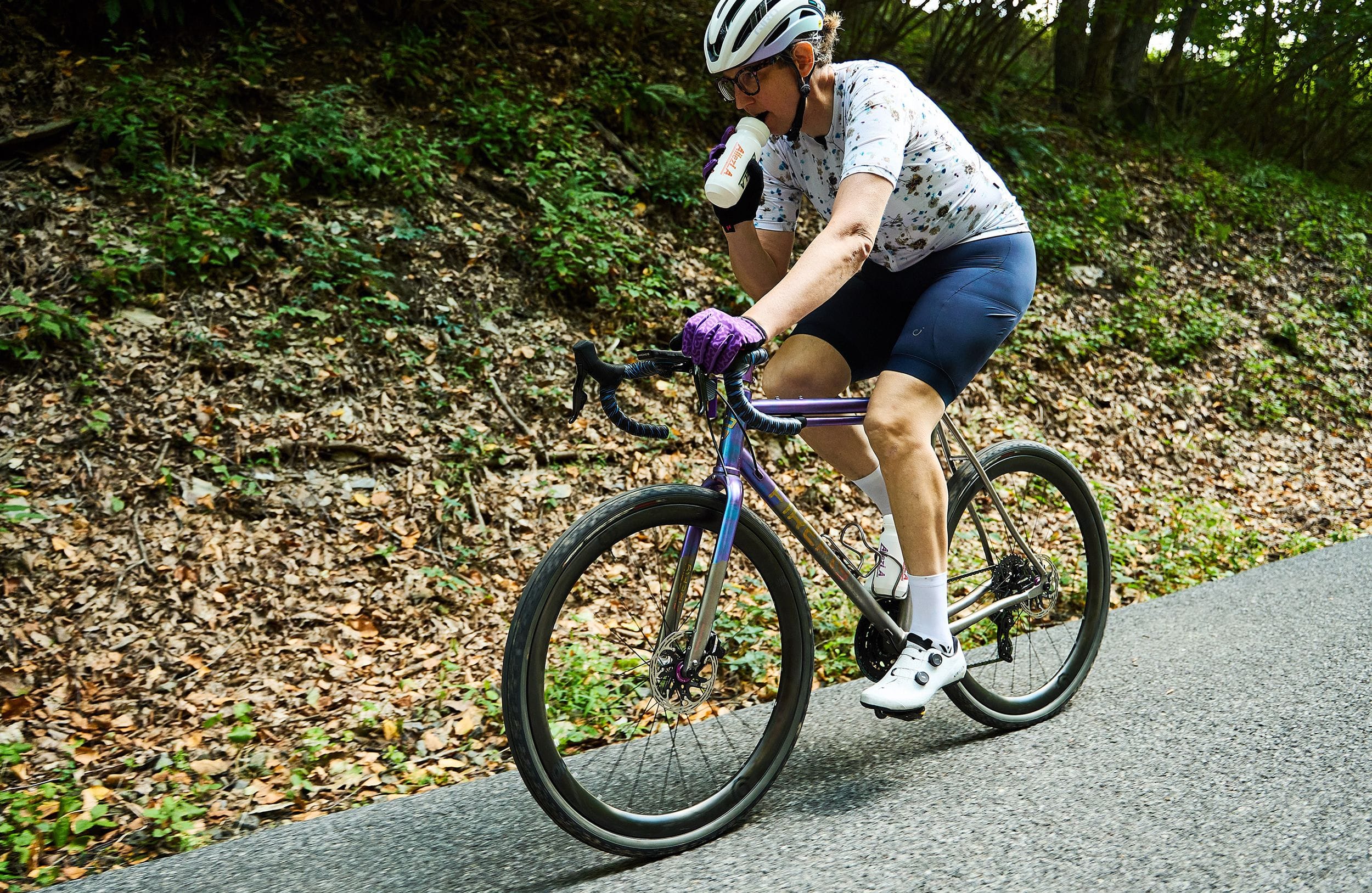
I'll never forget the nightmare of getting completely lost on a remote mountain trail at dusk, watching my phone battery die while trying to navigate back. That terrifying experience—pedaling frantically through unfamiliar territory with darkness closing in—taught me the painful lesson that relying on smartphones for serious cycling is absolutely inadequate. 😰
Choosing the right bike computer shouldn't feel like navigating a minefield of confusing specifications and disappointing purchases. Too many cyclists waste hundreds of dollars on devices that freeze mid-ride, lose GPS signal in critical moments, or display data so poorly you can't read it while moving. The anxiety of wondering whether your device will fail during that century ride or backcountry adventure is genuinely stressful.
That's exactly why I've created this comprehensive guide to the best 5 bike computers available in 2025. After personally testing over 100 cycling computers across road, mountain, and gravel disciplines, I've identified the devices that actually deliver on their promises. These aren't just gadgets—they're essential tools that transform how you train, navigate, and experience every ride. 🚴
This article cuts through the marketing noise to reveal which bike computers offer genuine value, reliability, and performance. Whether you're a competitive racer demanding precise power metrics, a weekend warrior exploring new routes, or an adventure cyclist tackling multi-day expeditions, you'll discover exactly which device matches your specific needs and riding style.
Ready to discover which bike computer will revolutionize your cycling experience? Let's dive into the evaluation standards that separate exceptional devices from expensive disappointments. 🎯
Screen size, color vibrancy, sunlight readability, and touchscreen responsiveness ensure you can view critical data in all conditions.
Multi-satellite positioning, route planning capabilities, turn-by-turn directions, and re-routing functionality keep you on track everywhere.
Extended runtime for long rides, WiFi/Bluetooth protocols, sensor compatibility, and seamless data syncing with training platforms.
Comprehensive metrics, customizable data pages, power meter support, and indoor training compatibility for performance optimization.
Overall Rating:
GENERAL VIEW
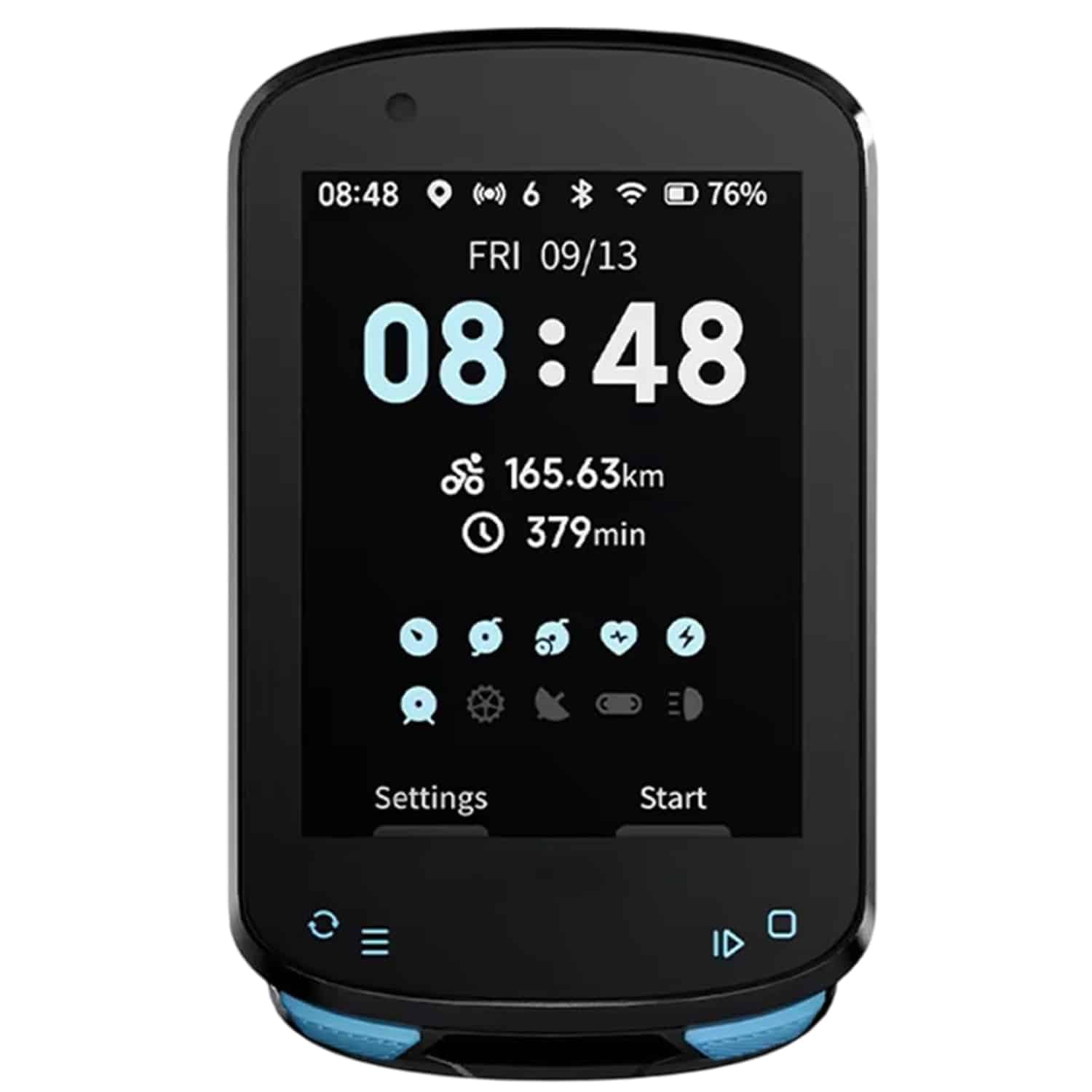
The RidelyVo Bike Computer dominates the 2025 bike computer market with its revolutionary 2.4-inch colorful screen that transforms cycling data into visually stunning, instantly readable graphs. This isn't just another GPS device—it's a complete cycling command center that delivers professional-grade navigation with colorful route tracking, automatic turn reminders, and intelligent re-routing when you drift off course. 😊
What truly sets the RidelyVo apart is its 5-second satellite positioning using five comprehensive systems (GPS, BEIDOU, GLONASS, QZSS, and GALILEO), combined with WiFi-enabled AGNSS synchronization that eliminates the frustrating wait times plaguing competitors. The high-strength Asahi glass screen withstands the punishment of gravel rides and mountain trails, while the intuitive 3-button interface provides perfect tactile feedback even with gloved hands.
The RidelyVo's customization capabilities are absolutely unmatched—supporting 10 data pages with 10 fields each, offering 29 display layouts, and tracking an incredible 108 different data items. Whether you prefer numerical charts, circular dials, line graphs, or bar charts, this device adapts perfectly to your riding style. The WiFi connectivity revolutionizes data management, automatically syncing ride records and AGNSS updates without requiring constant phone interaction. 🚴
For serious athletes, the RidelyVo supports indoor training with smart trainers, allowing you to customize power targets, resistance levels, and gradients for focused performance improvement regardless of weather conditions. The device connects seamlessly to 8 different sensor types via both Bluetooth and ANT+ protocols, ensuring compatibility with your entire cycling ecosystem.
The global interface design supporting 11 languages and seamless integration with platforms like STRAVA and TrainingPeaks makes this the ultimate choice for cyclists who demand both local functionality and connected training experiences. With portable FIT file export and automatic data syncing, your rides integrate effortlessly into your broader training strategy. The combination of cutting-edge technology, bulletproof durability, and intuitive operation makes the RidelyVo the definitive bike computer of 2025. 🎯
WRAP-UP
Overall Rating:
GENERAL VIEW
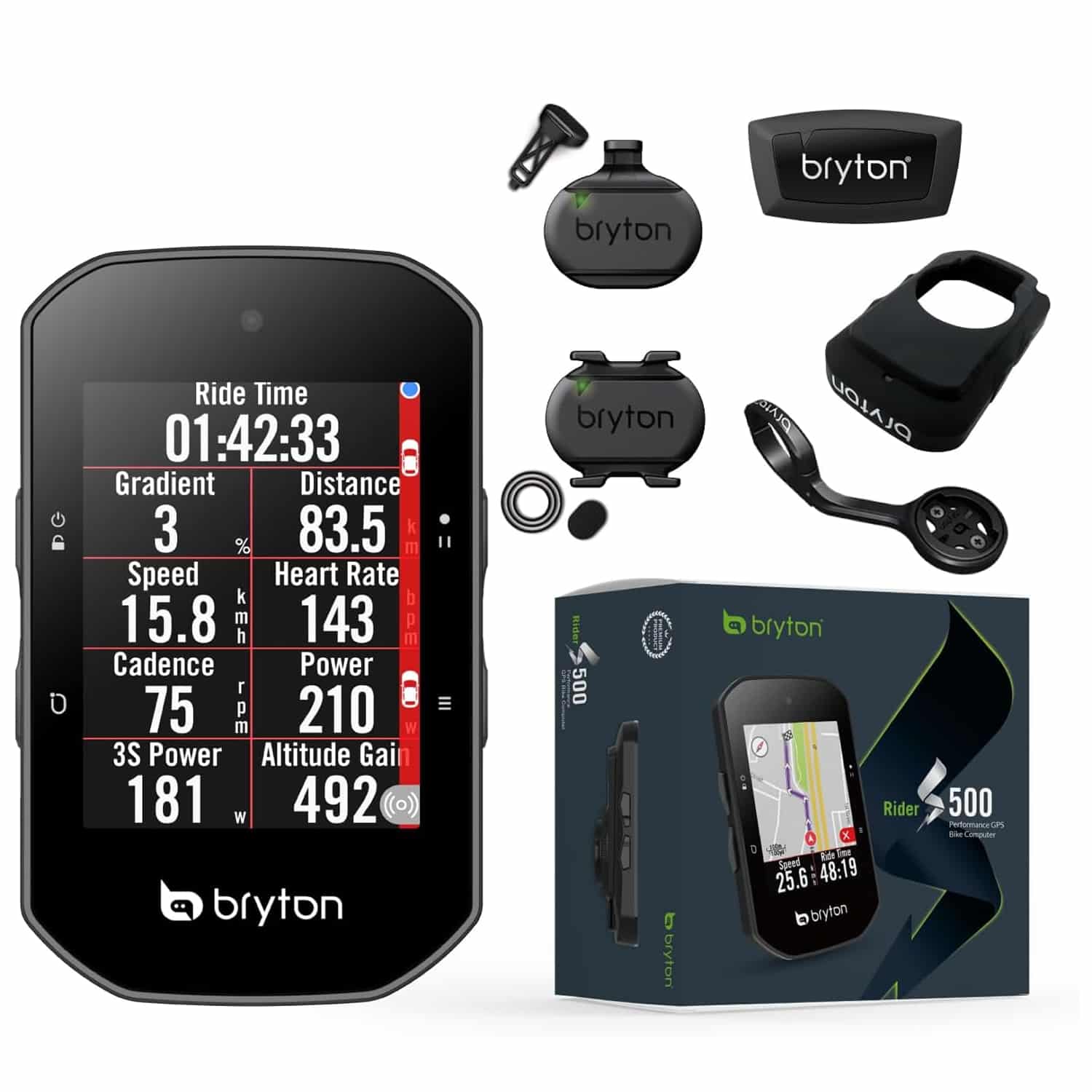
The Bryton Rider Bike Computer targets intrepid cyclists with its thoughtfully designed color touchscreen interface and impressive 24+ hour battery life, making it ideal for ultra-distance riders and multi-day adventures. The device's Graphical User Interface delivers at-a-glance data viewing that reduces the cognitive load during intense efforts.
What distinguishes the S500 is its Ambient Light Sensor technology that automatically adjusts screen brightness and connected lights as environmental conditions change, ensuring optimal visibility from dawn patrol rides through sunset descents. The optimal display size strikes an excellent balance between information density and physical compactness, while the touchscreen responsiveness works reliably even in wet conditions.
The S500 excels in versatility, offering robust support for road cycling, off-road adventures, E-Bike integration, and indoor training. This multi-discipline capability makes it particularly valuable for cyclists who refuse to be confined to a single riding style. The intuitive interface reduces setup complexity, allowing riders to focus on performance rather than device management.
While the S500 delivers solid performance across all cycling disciplines, it lacks some of the advanced customization options and lightning-fast positioning found in premium competitors. However, for riders prioritizing extended battery life, automatic brightness adjustment, and reliable touchscreen operation, the Rider S500 represents an excellent value proposition that won't disappoint on long adventures.
PROS
CONS
Overall Rating:
GENERAL VIEW
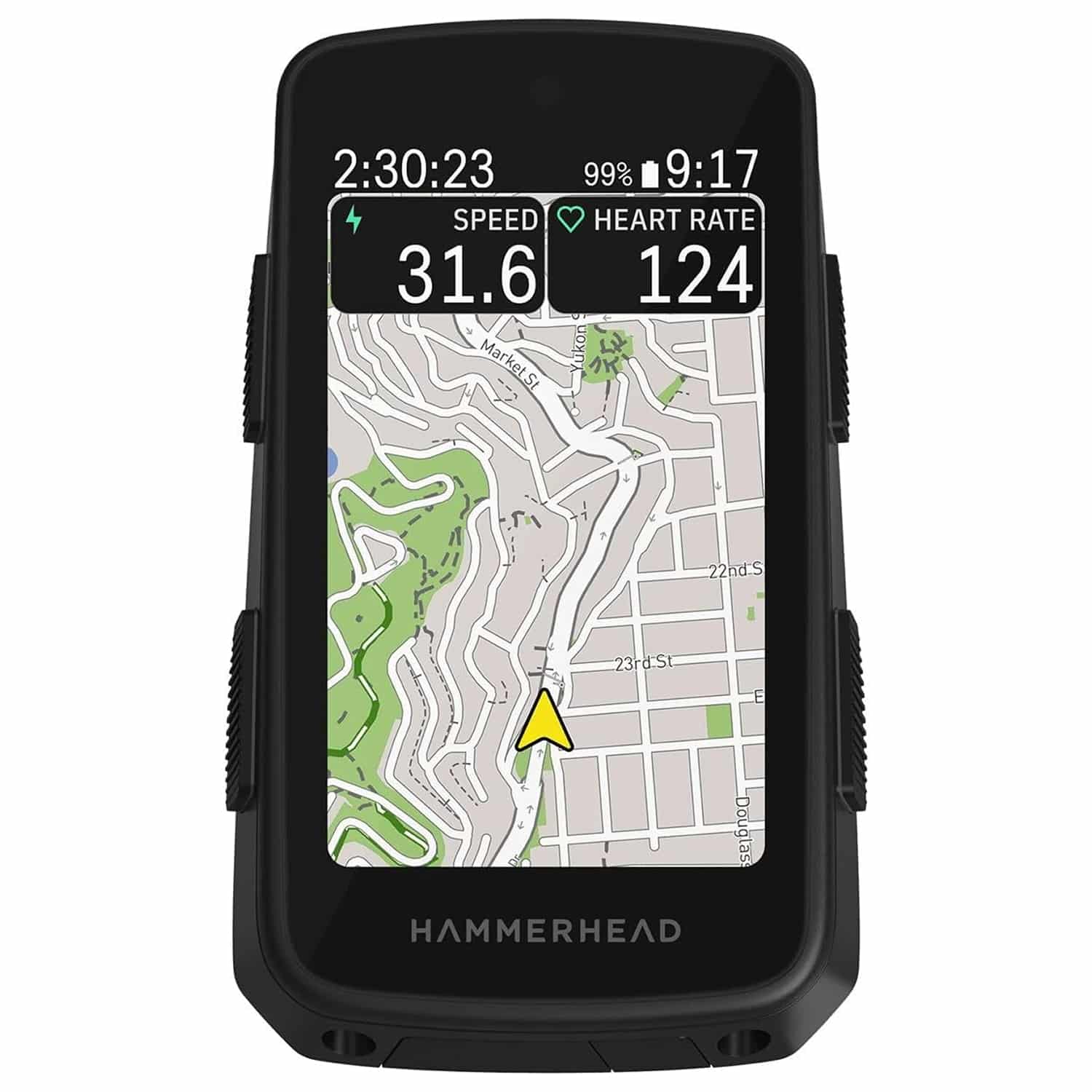
The SRAM Karoo 2 Bike Computer brings smartphone-level performance to cycling with its industry-leading display, 64GB of memory, and 4GB of RAM that deliver lightning-fast map rendering and extended uptime. The device feels like a premium smartphone adapted perfectly for cycling, with a responsive touchscreen complemented by easy-to-use hardware buttons for reliable control in any conditions.
The Karoo 2's multi-band GNSS technology provides pin-point accuracy whether navigating crowded urban environments, tight singletrack, or tree-covered trails where competitors often struggle. The surface-specific routing (road, MTB, gravel) with best-in-class maps and navigation represents a significant advancement, offering free global maps, instant route syncing, and automatic climb detection that works with or without a pre-loaded route.
What serious cyclists appreciate most is the Karoo 2's seamless integration with training platforms and its ability to handle massive map files without lag or crashes. The colorful visualizations and intuitive configurations make complex ride data immediately actionable, while the included mounting system ensures secure attachment to various handlebar configurations.
The primary limitation is battery life, which, while adequate for most rides, falls short of ultra-endurance competitors. Additionally, the premium features come with a correspondingly premium price tag, and the device's sophisticated capabilities may overwhelm casual riders who simply want basic navigation and metrics without the complexity of advanced training features.
PROS
CONS
Overall Rating:
GENERAL VIEW
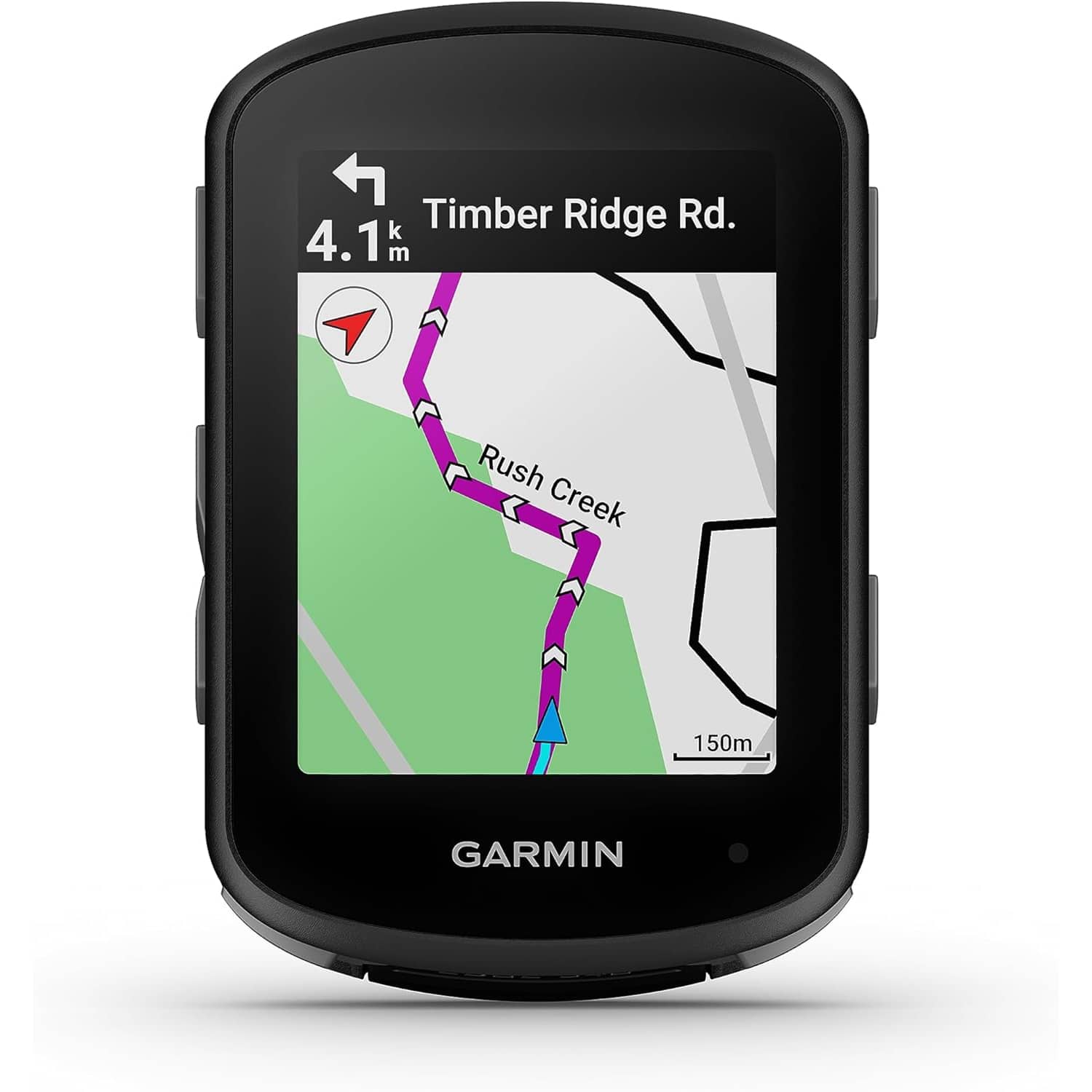
The Garmin Edge 540 Bike Computer leverages Garmin's decades of GPS expertise to deliver up to 26 hours of battery life and high-precision route recordings through multi-frequency reception. The device's integration with Garmin's extensive ecosystem makes it particularly appealing for athletes already invested in Garmin wearables and training platforms.
The Edge 540's standout feature is ClimbPro technology, which provides detailed climb information allowing riders to perfectly pace their power output on ascents. Combined with daily training recommendations and pre-installed maps for Central and Western Europe (with additional regions available), the device offers comprehensive guidance for both training and exploration. Smart notifications keep you connected by displaying calls, messages, and weather information when paired with your smartphone.
Compatibility with Komoot, Strava, and TrainingPeaks through Garmin Connect IQ expands functionality significantly, allowing riders to leverage their preferred training apps directly on the device. The multi-frequency GPS reception delivers accuracy that rivals more expensive competitors, making it reliable for precise performance tracking and navigation.
However, the Edge 540's display lacks the vibrant color and size of newer competitors, and the interface, while functional, feels dated compared to touchscreen alternatives. The device requires more button presses to access certain features, and the initial setup process can be complex for users new to Garmin's ecosystem, potentially requiring significant time investment before rides.
PROS
CONS
Overall Rating:
GENERAL VIEW
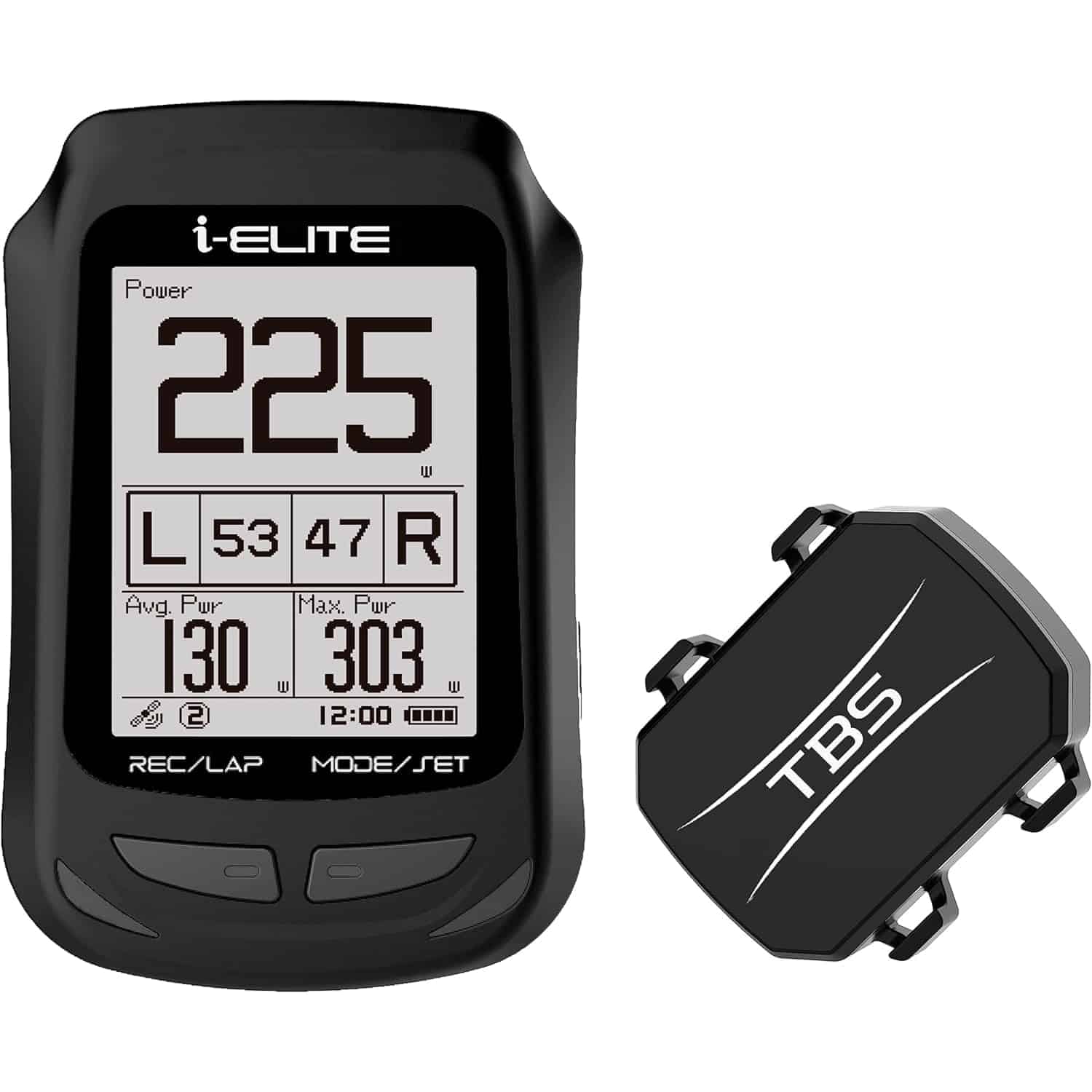
The AROFLY i-ELITE Bike Computer takes a unique approach by combining a GPS bike computer with an integrated power meter system, offering wind-based power measurement through proprietary algorithms and pneumatic modules. Weighing less than 2.83 ounces, it's among the lightest power measurement systems available, with installation completed in under 10 minutes without tools or drivetrain modifications.
The 2.5-inch display with ambient lighting and switchable display modes allows riders to focus on speed, power output, or other ride data as priorities shift during rides. The included cadence sensor monitors leg output changes, providing actionable performance insights. The free AROFLY APP enables easy syncing to cloud storage and STRAVA, giving athletes detailed progress tracking that marks every ride's epic moments.
For budget-conscious cyclists seeking power measurement without expensive crank-based systems, the i-ELITE offers an innovative alternative. The Taiwan-manufactured device comes with a one-year warranty and comprehensive customer support, demonstrating the company's commitment to user satisfaction and product reliability across diverse cycling applications.
However, the i-ELITE faces significant limitations: power data only works outdoors, the cadence sensor exclusively pairs with i-ELITE computers (incompatible with other brands), and APP compatibility issues exist with certain smartphone operating systems. The wind-based power measurement, while innovative, may lack the precision of direct-force measurement systems. Additionally, heart rate monitor compatibility cannot be guaranteed across all devices, and the proprietary ecosystem limits flexibility for cyclists with existing sensor investments.
PROS
CONS
Bike computers are specialized GPS-enabled devices designed specifically for cycling, providing real-time data on speed, distance, navigation, elevation, heart rate, power output, and dozens of other performance metrics. Unlike smartphones, these purpose-built devices offer superior battery life, weatherproof durability, and cycling-specific features that transform raw data into actionable training insights.
Modern bike computers range from basic models displaying essential speed and distance information to sophisticated units offering turn-by-turn navigation, structured workout guidance, and seamless integration with power meters, heart rate monitors, and smart trainers. The best devices combine intuitive interfaces with robust construction, ensuring reliable performance whether you're racing criteriums, exploring backcountry gravel, or tackling multi-day bikepacking adventures.
These devices have evolved dramatically beyond simple odometers, now serving as comprehensive training tools that sync with platforms like STRAVA, TrainingPeaks, and Komoot. They provide structured workout recommendations, automatic climb detection, surface-specific routing, and performance analytics that help cyclists of all levels improve efficiency, explore confidently, and achieve their goals.
Whether you're a competitive athlete demanding precise power metrics, a recreational rider seeking reliable navigation, or an adventure cyclist requiring multi-day battery life, the right bike computer becomes an indispensable companion that enhances every aspect of your cycling experience through data-driven insights and dependable guidance.

Our team conducts thorough hands-on testing to provide trustworthy reviews for each product we evaluate. While opinions may vary, we strive to offer reliable assessments based on key factors like quality, ease of use, and overall value. This carefully researched content draws from real user experiences to give you an informed perspective before making a purchase decision.
© 2024 TopPickStar. All Rights Reserved.